
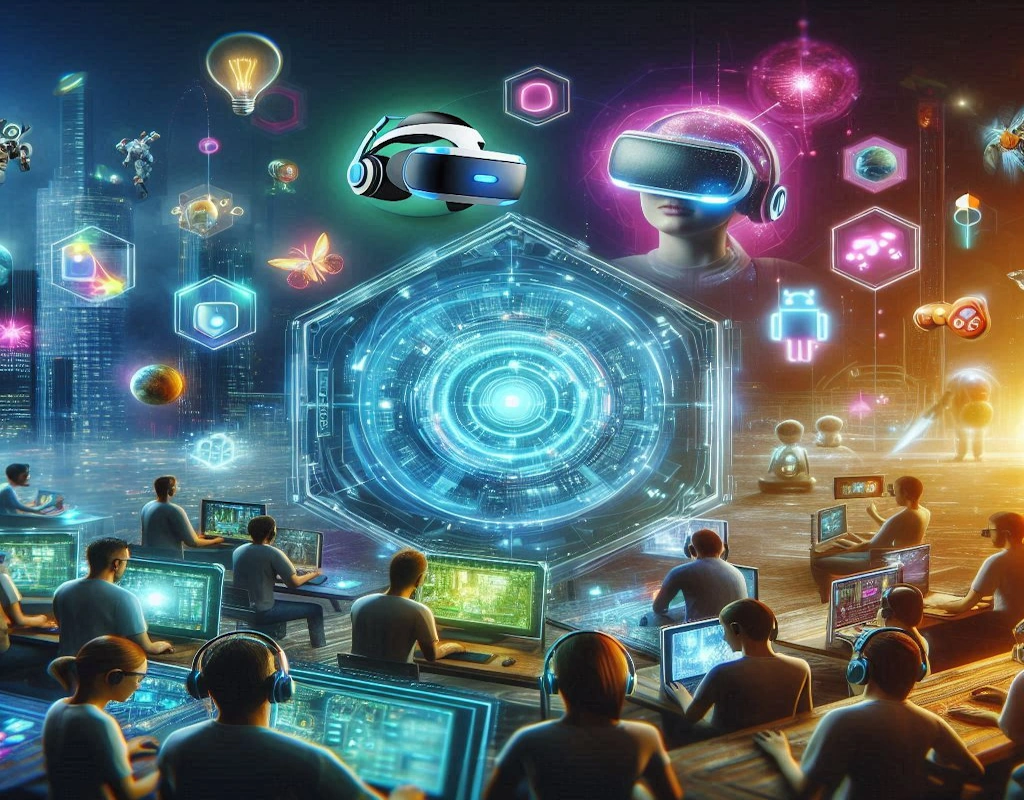
Online gaming has come a long way from simple browser games and local multiplayer matches. What started as a niche hobby has grown into a global industry worth hundreds of billions of dollars, connecting players across continents in real time. As we move deeper into the digital age, the future of online gaming looks faster, smarter, more social, and more immersive than ever before.
From cloud gaming and artificial intelligence to virtual worlds and player-driven economies, the next era of online gaming is already taking shape. Let’s explore the key trends, emerging technologies, and what gamers, developers, and content creators can expect in the years ahead.
The Evolution of Online Gaming
To understand where online gaming is going, it helps to look at how far it has come. Early online games focused on basic multiplayer experiences, limited graphics, and slow connections. Today, players enjoy massive online worlds, competitive esports, cross-platform play, and instant access through browsers and mobile devices.
The shift toward HTML5 games, free-to-play models, and live-service updates has changed how games are built and consumed. Players no longer just buy a game once—they live inside evolving digital ecosystems.
Cloud Gaming: Play Anywhere, Anytime
One of the biggest drivers of the future of online gaming is cloud gaming. Instead of relying on powerful consoles or expensive PCs, games are streamed directly from servers to your device.
Why Cloud Gaming Matters
- No downloads or installations
- Play on low-end devices, phones, tablets, or smart TVs
- Instant access to high-quality games
- Easier updates and maintenance
As internet speeds improve worldwide and 5G becomes more common, cloud gaming platforms will feel smoother and more reliable. This shift will make online gaming more accessible to millions of new players.
Artificial Intelligence in Online Games
Artificial intelligence is transforming how games are designed and played. In the future, AI will go far beyond smarter enemies.
How AI Is Shaping Gaming
- Adaptive difficulty that adjusts to player skill
- Smarter NPCs with realistic behaviors
- Personalized game experiences and storylines
- AI-powered moderation to reduce toxicity
AI can also help developers create larger worlds faster, generating environments, quests, and dialogue dynamically. This means richer games that evolve based on player choices.
The Rise of Social and Community-Driven Gaming
Online gaming is no longer just about winning—it’s about connection. Games are becoming social platforms where players hang out, chat, and create content together.
Key Social Gaming Trends
- In-game voice and video communication
- Shared virtual spaces and hubs
- Community events, concerts, and tournaments
- Stronger creator and modding tools
Games like sandbox worlds, IO games, and multiplayer survival games show how social interaction keeps players engaged longer. In the future, online games may feel more like digital cities than traditional games.
Virtual Reality and Augmented Reality
Virtual Reality (VR) and Augmented Reality (AR) are slowly but steadily shaping the future of online gaming.
What VR and AR Bring to Online Gaming
- Fully immersive multiplayer worlds
- Physical movement and presence
- New genres built around exploration and interaction
While VR is still growing, lighter headsets and better hardware will make it more mainstream. AR, on the other hand, blends gaming with the real world, opening doors for location-based and mixed-reality experiences.
Cross-Platform and Cross-Progression as the Standard
The future of online gaming is platform-agnostic. Players expect to start a game on one device and continue on another without losing progress.
Why Cross-Platform Play Is Essential
- Larger, healthier player communities
- Friends can play together regardless of device
- Better matchmaking and longer game lifespans
Cross-progression ensures your achievements, skins, and progress move with you. This trend is becoming an industry standard rather than a bonus feature.
Player-Owned Economies and Digital Assets
Online gaming economies are becoming more complex and player-driven. Skins, items, and currencies now have real-world value in many games.
What’s Changing
- Player trading systems
- Creator marketplaces for skins and mods
- Digital ownership concepts
- Stronger in-game economies
While this space must be handled carefully, player-owned content and customization will play a huge role in keeping online games alive and profitable.
Esports and Competitive Online Gaming
Competitive gaming continues to grow, turning online games into spectator sports watched by millions.
The Future of Esports
- More mobile and browser-based esports titles
- Amateur leagues and grassroots tournaments
- Better tools for streaming and spectating
- Global events with massive audiences
As accessibility increases, competitive gaming won’t be limited to elite players—it will be something anyone can participate in.
Security, Privacy, and Fair Play
As online gaming expands, so do concerns about security, cheating, and player safety.
Future improvements will focus on:
- Advanced anti-cheat systems
- AI-based moderation
- Safer environments for younger players
- Better data privacy protections
Trust and fairness will be key to sustaining long-term player engagement.
What Comes Next for Online Gaming?
Looking ahead, the future of online gaming is about immersion, accessibility, and personalization. Games will adapt to players, not the other way around. Technology will fade into the background, letting creativity, connection, and fun take center stage.
What Players Can Expect
- Faster access and smoother gameplay
- Deeper social experiences
- More control over how and where they play
- Constantly evolving game worlds
Final Thoughts
The future of online gaming is inspiring. With new technologies, smarter systems, and global communities, gaming is becoming more than entertainment—it’s becoming a shared digital experience.
Whether you’re a casual player, a competitive gamer, or a content creator, one thing is clear: online gaming is just getting started. The next chapter will be bigger, bolder, and more connected than ever before.




Leave a Reply